Network Marketing Conferences: Choosing a Network Marketing Conference That Fits
Learn how to compare network marketing conferences, assess sessions and costs, prepare useful questions, and turn new ideas into a repeatable team plan.

A network marketing conference can offer concentrated education, conversations with peers, and a chance to compare approaches in person. But a packed agenda or energetic room does not automatically make an event a good fit. Before you register, decide what you need to learn, check what the event actually promises, and work out how you will use the material afterward.
Plan a conversation about your next step
What should a network marketing conference help you do?
Start with the job you want the event to do. “Get motivated” is understandable, but it is not specific enough to help you choose. Consider a current business problem instead. Perhaps new team members do not know what to do after joining. Maybe conversations with prospects are inconsistent, or you have plenty of activity but no simple process others can repeat. A useful conference should give you a better way to think about a real problem, not just a temporary lift in energy.
Write down one main question and two supporting questions before you look at event pages. For example:
- Main question: How can I help a new team member learn a basic, ethical customer conversation?
- Supporting question: What should be explained in a group presentation, and what should be discussed one to one?
- Supporting question: How can I tell whether a new process is clear enough for another person to use?
That focus helps you distinguish relevant education from material that sounds exciting but does not address your needs. It also gives you a standard for reviewing the event afterward. If you leave with an idea you can test and explain to your team, you have a more useful outcome than a notebook full of disconnected slogans.
Conference attendance is not a substitute for understanding your company’s products, compensation plan, policies, or the needs of customers. It is one source of learning. Compare what you hear with the information and rules that apply to your own business before adopting it.
How do you assess the event before registering?
Read the event information as carefully as you would evaluate a business proposal. Look for specifics about who the event serves, what the sessions cover, who is presenting, how long the program lasts, and what is included in the registration. If an event page relies mostly on broad promises such as “change your life” or “unlock success,” ask what a participant will actually learn. The agenda should help you see whether the event matches your questions.
Check the details that affect your decision:
- Audience: Is the event meant for new distributors, experienced network marketers, team leaders, customers, or a mix? A mixed audience can be useful, but the session descriptions should make clear who each session is for.
- Learning objectives: Do descriptions identify a skill, process, or question, or do they only promise inspiration? Clear objectives make it easier to decide whether you need the session.
- Presenter context: Is the presenter’s role or relevant experience described? Consider whether the person has a perspective that fits your question. Do not treat a title, stage presence, or personal story as proof that every recommendation will fit your business.
- Format: Is it a keynote-heavy program, practical workshop, panel, product event, or a combination? Think about how you learn best and how much time is available for questions or practice.
- Costs and conditions: Confirm registration price, travel, lodging, meals, cancellation terms, and any separate ticket or upgrade. Do not assume an advertised registration amount covers the whole trip.
- Claims and boundaries: Notice whether financial outcomes are presented as guaranteed or typical. Be cautious about any event that asks you to make a decision before you have had time to review the terms.
Use the event’s own written details as your starting point. If important information is missing, ask the organizer directly and keep the answer. You do not have to decide on the spot. A clear response about schedule, costs, access, or cancellation is part of evaluating whether the event is organized in a way that works for you.
Which conference format fits your current need?
There is no single best format for every network marketer. The right choice depends on what you need to learn, how you prefer to participate, and whether the event offers enough depth for the time and expense involved. Compare the format with your goal rather than choosing only by size or excitement.
| Format | May suit you when | What to check |
|---|---|---|
| Large in-person conference | You want a broad program, several perspectives, and informal conversations with many attendees. | Session tracks, venue and travel costs, time between sessions, and how much practical instruction is included. |
| Focused workshop | You want to work on one skill or process and prefer a smaller learning setting. | Whether the session includes examples, practice, feedback, or an outline of what participants will take away. |
| Company or team event | You need information specific to a product line, team process, or company expectations. | Whether the content covers both the opportunity and the responsibilities, and where to verify company policies. |
| Online conference or virtual sessions | Travel is not practical, or you want access to sessions from another location. | Live versus recorded access, time zone, participation options, replay period, and any additional fees. |
| Local networking or learning meetup | You want a smaller setting to ask questions and build peer connections. | Who organizes it, what the discussion covers, and whether the agenda is educational or primarily promotional. |
A format is only a starting point. A large conference may have excellent focused sessions, while a small event may be mostly promotion. Read the specific agenda and identify the sessions that answer your questions. If you cannot find enough relevant content to justify attending, that is useful information too.
How can you compare the full cost with the likely value?
Make a simple budget before you register. Include every cost you expect to pay, not just the admission price. Depending on the format, that may include transportation, accommodation, meals, childcare, time away from work, or a separately priced workshop. Use actual figures where you know them and label estimates clearly. A cost sheet keeps enthusiasm from turning an incomplete decision into an expensive one.
Then describe value in terms of learning and application rather than projected earnings. For example, you might value an event because it offers a session on customer follow-up that you can evaluate for your own process. You cannot know in advance what commercial results will follow from attending, and a conference should not be treated as a promise of income or business growth.
Here is a basic comparison you can adapt:
- Event A: Registration is lower, but travel and lodging raise the total. The agenda has several broad talks and one session on your priority question.
- Event B: Registration costs more, but it is local. The agenda has a smaller practical workshop, and the session descriptions explain what participants will work on.
- Event C: The virtual option avoids travel. Confirm whether you can ask questions live, how long recordings remain available, and whether all sessions are included.
There is no automatic winner in that comparison. If your main need is a hands-on exercise, Event B may fit better. If you need to hear a range of perspectives and can manage travel, Event A could be worth considering. If scheduling is the barrier, Event C might be more practical, provided its format supports your learning style. Choose based on your budget, objective, and evidence about the actual program.
Set a spending limit that you can afford without relying on future sales, recruitment, or a promised return. If you are considering borrowing money, paying for a costly upgrade, or buying an extra package to qualify for access, pause and review the terms. An event ticket is an expense, not a guarantee of a particular outcome.
What should you look for in the sessions?
Useful sessions make their subject clear and give you something to examine. For an experienced network marketer, practical subjects might include how to structure a group presentation, how to follow up respectfully, how to help a new person understand the next step, or how to build a process that different team members can use. Those subjects are more actionable than a session title that only promises success, because they identify a skill or operating question.
Look for evidence of a learning process in the description. Will the presenter explain a framework? Show a worked example? Walk through a scenario? Leave time for questions? A session does not need to include every element, but a clear description helps you set expectations. Also note whether the topic is meant to teach a transferable business skill or explain something specific to one company.
Separate an idea from the way it is presented. A confident speaker may make a suggestion sound universal. Ask whether it fits your customers, company rules, and team’s experience. If an approach depends on pressure, vague product claims, or statements about likely earnings, do not repeat it without checking whether it is appropriate and accurate. A strong process should be explainable and respectful, not dependent on exaggeration.
For a more structured way to assess an opportunity and the story around it, see this network marketing opportunity evaluation guide. The same habit of checking the offer, the process, and the assumptions behind a claim can help when reviewing conference content.
How do you prepare so you do more than take notes?
Preparation starts with your questions. Put your main question at the top of a page and leave space beneath it for observations, examples, and follow-up. Bring the event schedule and mark only the sessions that have a clear connection to your goal. It is fine to attend a session because it sounds interesting, but keep the distinction between exploration and your main learning objective.
Before you go, decide what information you can share. Prepare a short, accurate description of your work that does not overstate results. Think of two questions you can ask another attendee that invite a real conversation, such as “What process are you trying to make easier for your team?” or “What did you learn that you have actually put into practice?” Those questions are more useful than opening with a pitch or asking someone to make a business decision immediately.
Set practical boundaries as well. Decide how much you are comfortable spending at the venue, whether you will consider any additional offer, and what you want to review later rather than buy on the spot. If someone offers a product, program, or opportunity, take the information away and check the written details. You can be open to learning without making an immediate commitment.
During sessions, write down the main idea, the example that supports it, and the conditions that might limit its use. Keep questions separate from conclusions. For example, “Could this follow-up sequence work for customers who asked for information?” is a question. “This sequence will work for everyone” is a conclusion that would need evidence. Careful notes make it easier to evaluate an idea after the event rather than relying on the emotion of the room.
How can you make connections without turning every conversation into a pitch?
A conference can bring people with different roles and experience into the same space. Treat those conversations as opportunities to listen and exchange ideas, not as a list of people to recruit. Ask what someone is learning, what kind of work they do, or what business question they are exploring. Share your own experience honestly, including what you are still figuring out.
Respect a person’s time and signals. If they are leaving, eating, or focused on a session, do not press for contact information. If you exchange details, be clear about why you would follow up. A short note referring to the conversation is more considerate than adding someone to a marketing list without permission. The goal is a professional connection, not a forced next step.
Do not treat the number of contacts collected as the measure of a good event. One thoughtful conversation can be more useful than many exchanges that have no relevance to your work. Likewise, a new contact is not a prospect by default. Follow up only in a way that matches what the person agreed to and the reason you connected.
What should you do after the conference?
Within a day or two, review your notes while the sessions are still fresh. Sort them into three groups: ideas to test, questions to verify, and material that does not fit your current priorities. For each idea you keep, write down the problem it addresses, the smallest safe way to test it, and what you would look for to decide whether it helped. This turns a general takeaway into an experiment rather than an instruction to overhaul everything.
For example, suppose a session offered a new way to organize a team presentation. Do not assume it is right for every audience. Compare it with your company’s approved information, adapt only what is appropriate, and try the structure in a suitable setting. Ask participants whether the explanation was clear. Note which part raised questions, then adjust the process. A small, deliberate test can reveal whether the idea is teachable.
Keep the process duplicatable. If a new approach works for you but depends on your personal style, identify the underlying steps that another person could learn. A useful system might specify how to prepare, what information to share, when to invite questions, and how to follow up without pressure. Personal connection still matters, but the essential process should not be hidden in one person’s memory.
Share takeaways accurately. Distinguish what a speaker said from what you have verified and from your own opinion. Do not present another attendee’s story as a typical result, and do not turn a personal experience into a promise for the team. If an idea involves product details, earnings, or company policy, verify it with the appropriate source before passing it along.
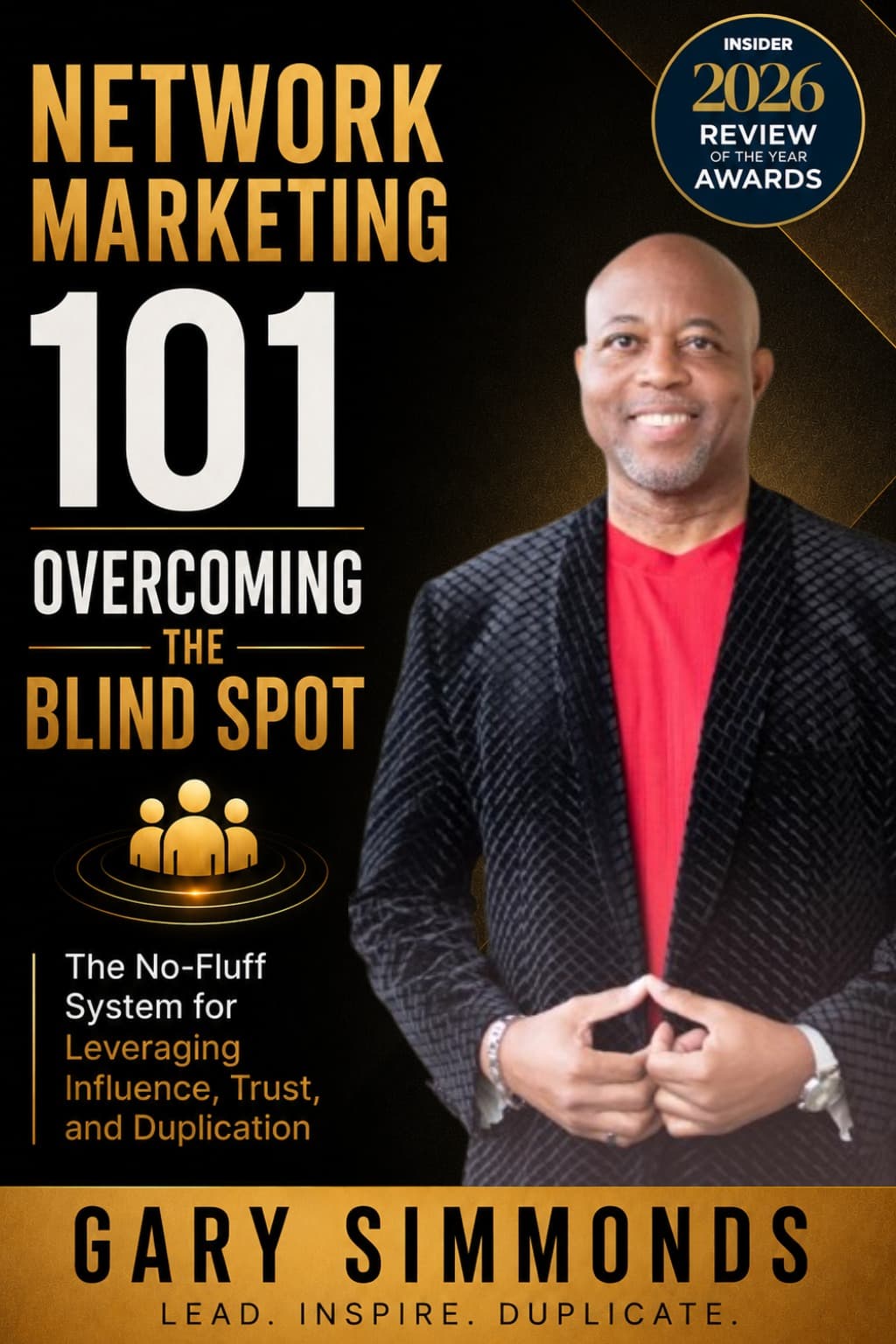
Gary’s work emphasizes practical, structured education rather than motivation alone. You can learn more about his background on the About Gary page, review the Network Marketing 101 book details, or explore the Building a Network 101 masterclass information if you want a more focused learning resource. The book is titled Network Marketing 101: Overcoming the Blind Spot; the masterclass is Building a Network 101: Influence, Trust & Strategic Partnerships. Review each page for current offer details and decide whether it fits your needs.
How can you tell whether attending was worthwhile?
Review your original questions, not just how much you enjoyed the event. Did you gain a clearer way to evaluate an issue? Did you find a relevant example, a useful contact, or a process worth testing? Can you explain one learning point accurately to someone who was not there? These are practical checks on whether your time and expense produced something you can use.
Give your chosen idea enough time to be tested before judging it. Decide what a reasonable observation period looks like for the specific process, then record what you did and what happened. Avoid changing several parts of your business at once, because you may not know which change affected the outcome. A simple record of actions, questions, and feedback can be more informative than an impression that the event was either a success or a waste.
Also be willing to conclude that an idea is not right for you. You may learn that a particular method does not fit your customers, your available time, or your company’s rules. That is still useful if you identified the mismatch before investing more. Knowledge is valuable when it improves judgment, not only when it produces a new tactic.
If you would like to discuss which learning step makes sense for your situation, review the next-step information or use the planned conversation option. For any discussion, be prepared to describe your experience and the question you want to solve; no particular program or result should be assumed to fit everyone.
Schedule a Zoom conversation about your goals
Frequently Asked Questions
Are network marketing conferences only for beginners?
No. Some events focus on introductions, while others address team leadership, customer communication, presentations, or building repeatable processes. Check the agenda and audience description rather than assuming an event is right or wrong for you based on its label.
How do I know whether a conference is legitimate?
Review the organizer, written schedule, speaker descriptions, total costs, and cancellation terms. Ask for missing details. Be cautious of unsupported outcome claims or pressure to make an immediate purchase. A thoughtful review does not guarantee an event will meet your expectations, but it helps you make a better-informed decision.
Should I attend a conference hosted by my company?
It may be useful if you need company-specific education, product information, or a chance to hear from peers. Still, confirm what the event covers, what is included in the cost, and where to verify policies and product claims. Company affiliation alone does not tell you whether the program matches your learning goals.
How much should I spend on a network marketing conference?
There is no universal amount that fits every budget or event. Add registration, travel, lodging, meals, and other expected expenses, then set a limit you can manage without relying on future business income. Compare that total with the sessions and format you can confirm in advance.
What is the best way to use what I learn?
Choose one relevant idea, verify that it fits your business and applicable rules, and test it in a limited way. Record what you did, what response you observed, and what you would change before teaching the process to others. Avoid presenting an untested idea as a guaranteed result.
Choose the event with a clear purpose
A conference is most useful when you know why you are going, understand the full commitment, and have a plan for evaluating what you learn. Compare the agenda and costs with your current questions, take notes that separate evidence from opinion, and apply only what fits your customers and responsibilities. That approach makes the event a considered part of your education rather than a promise of a particular outcome.